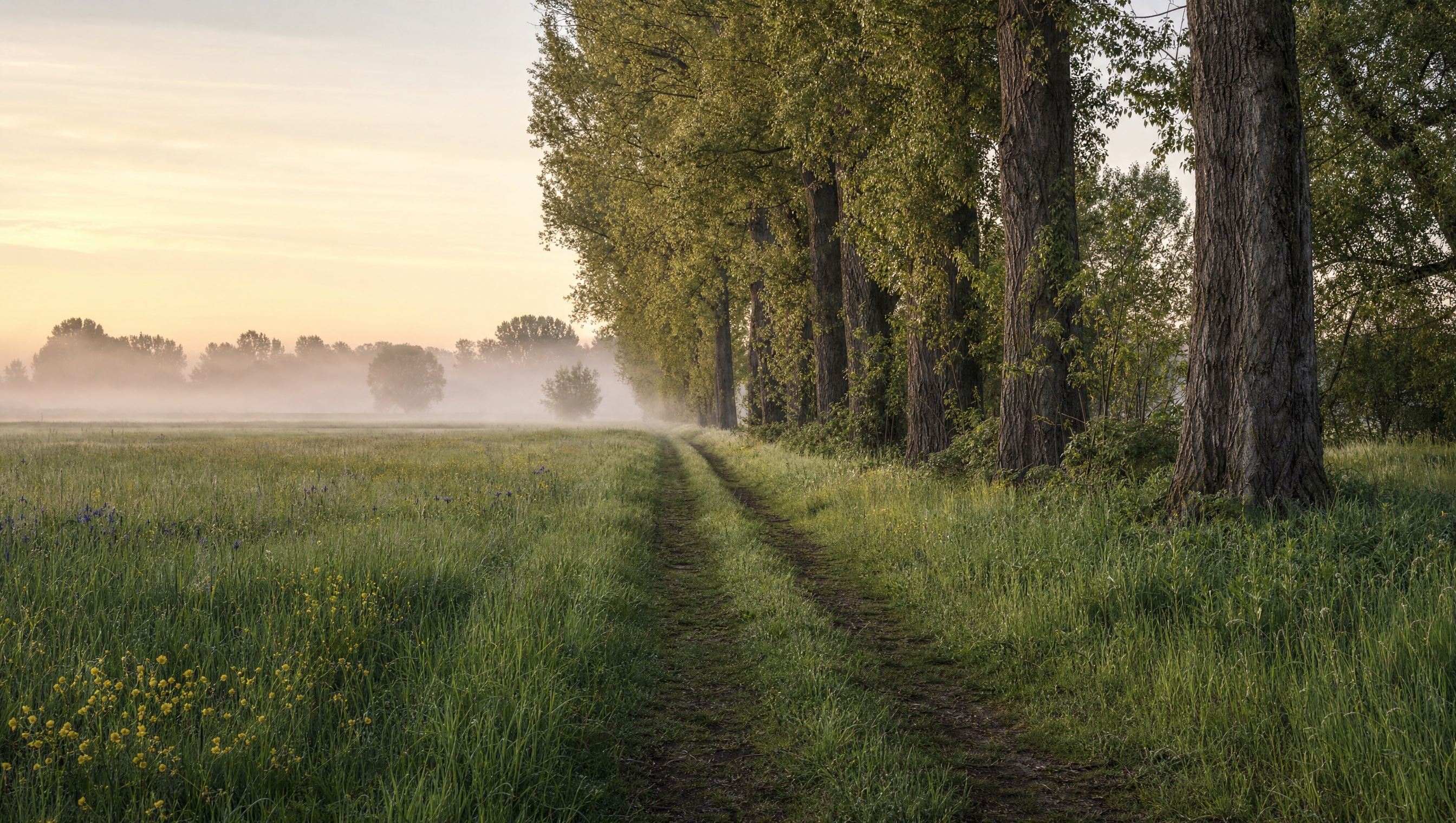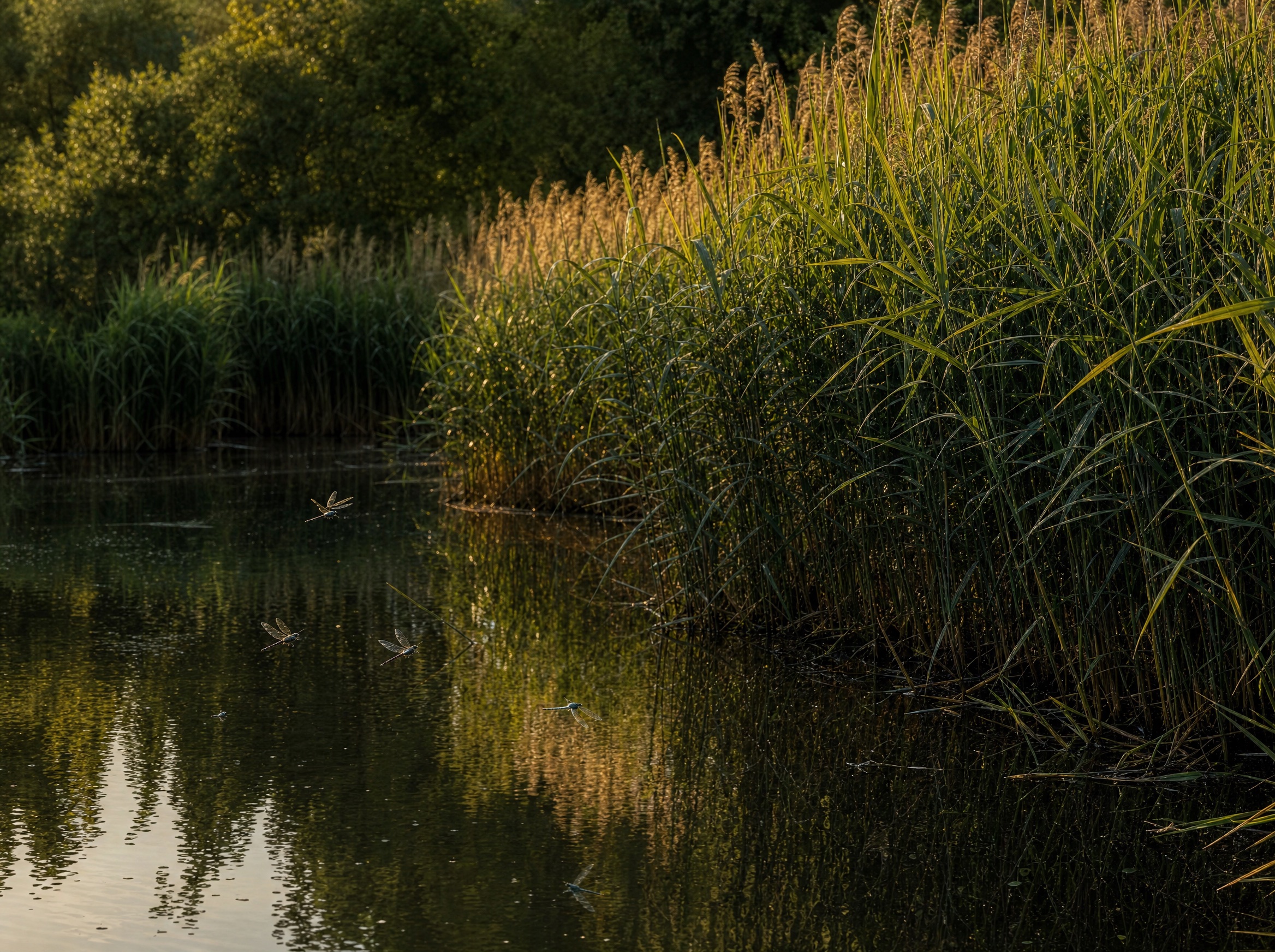
Geinsheim · 65468 · Hessisches Ried · since 2026
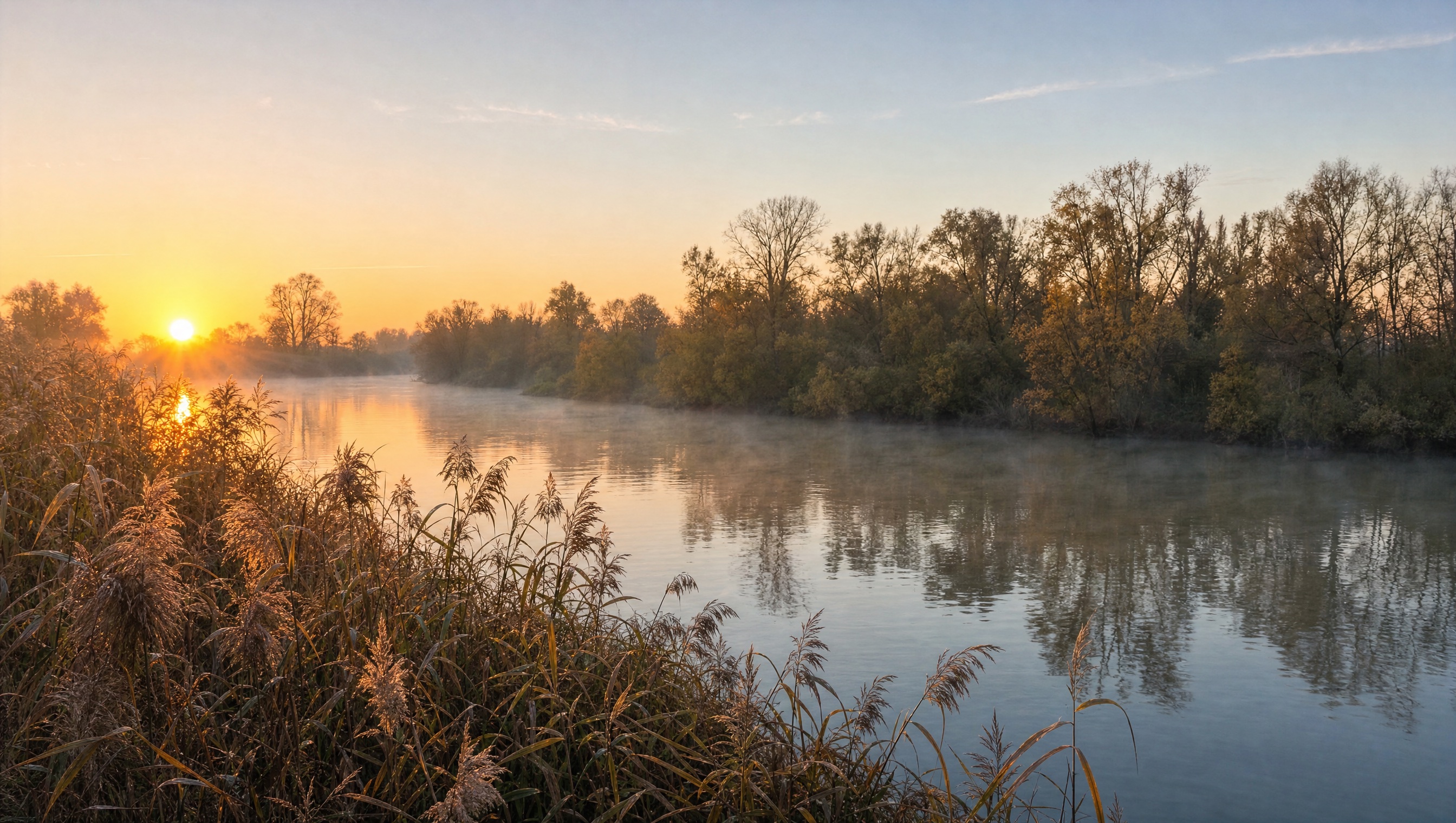
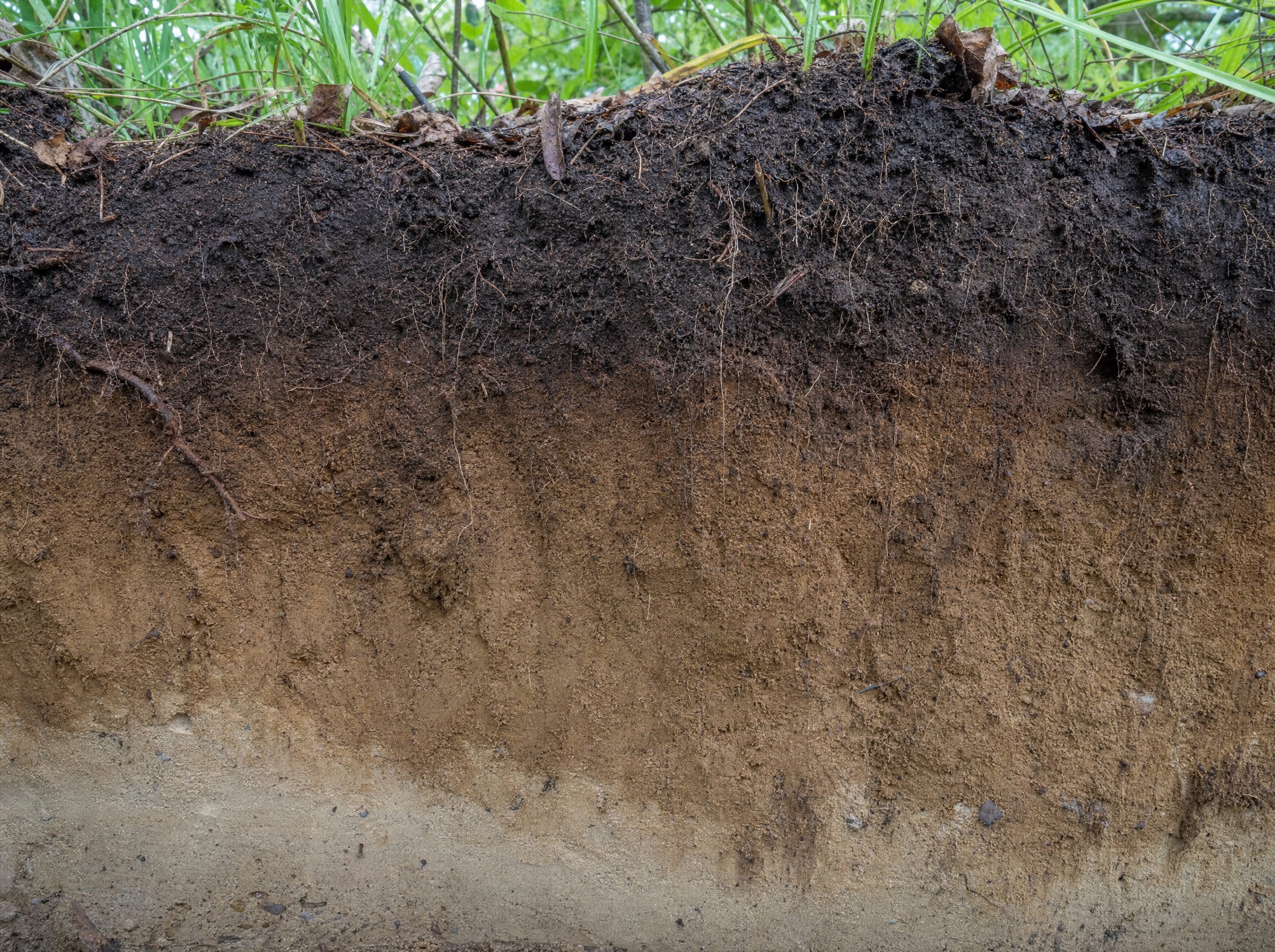
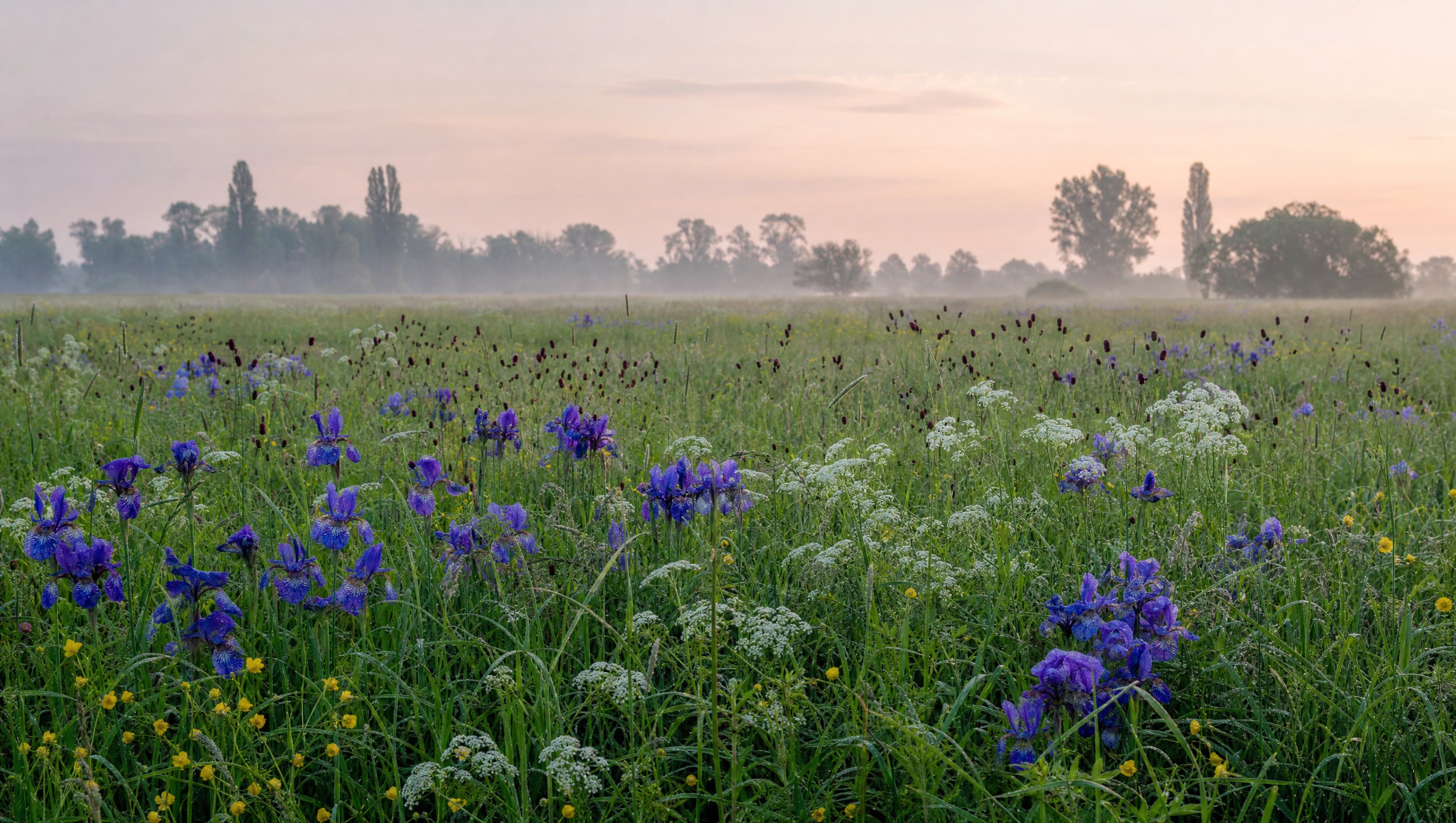
Site number 6116-301 · 1.2 miles southwest of Geinsheim
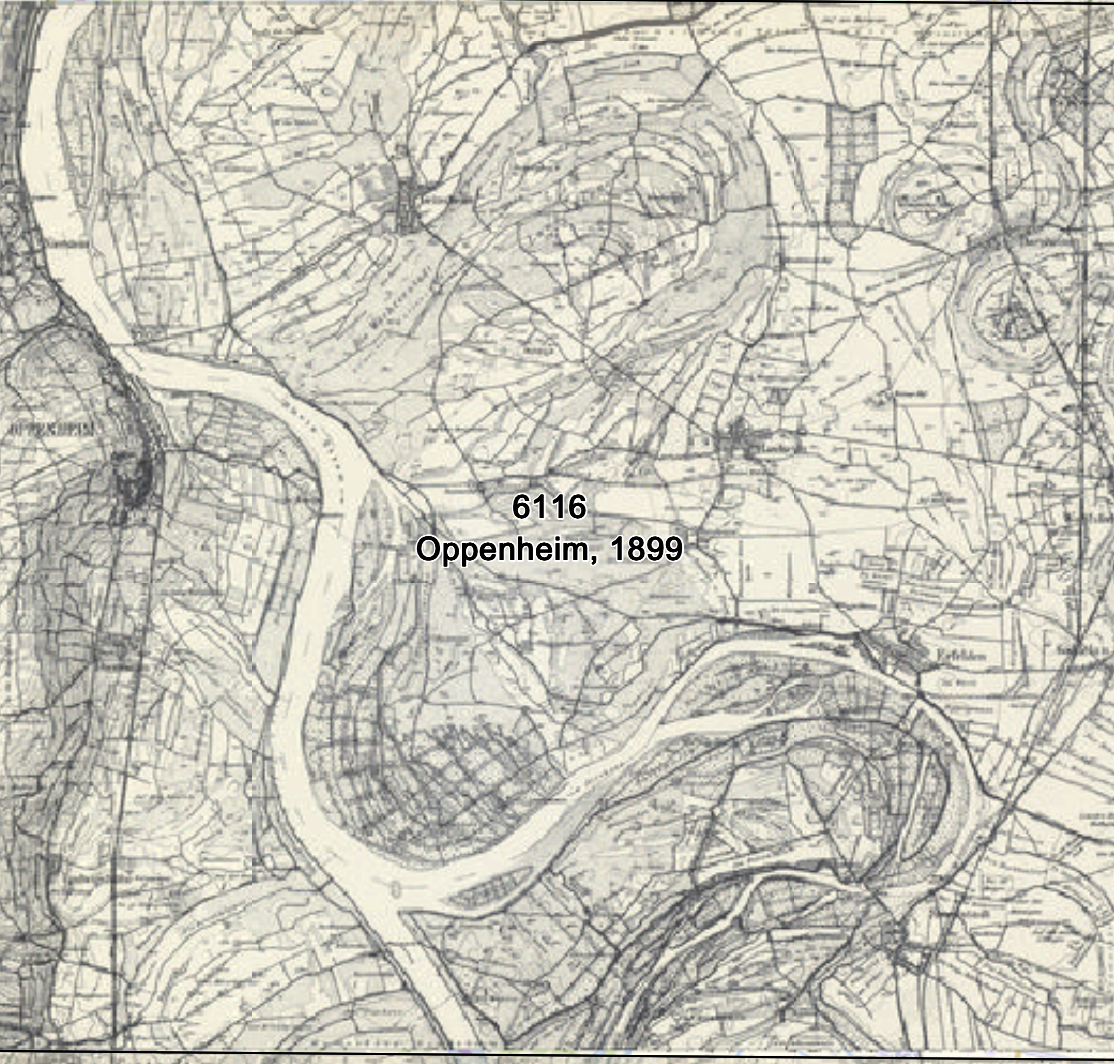
Survey map 6116 Oppenheim
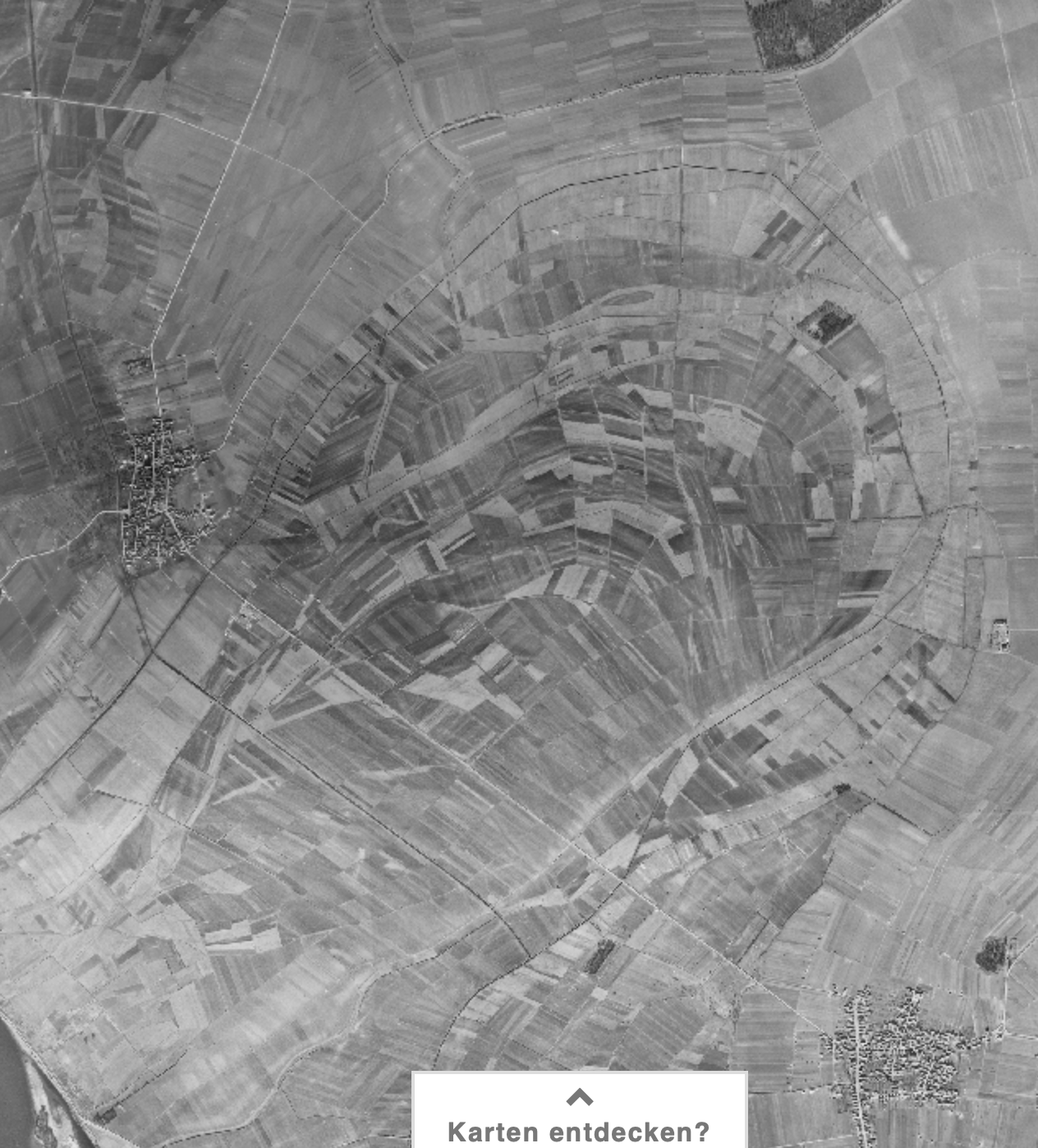
Aerial photo · strip fields and old meander
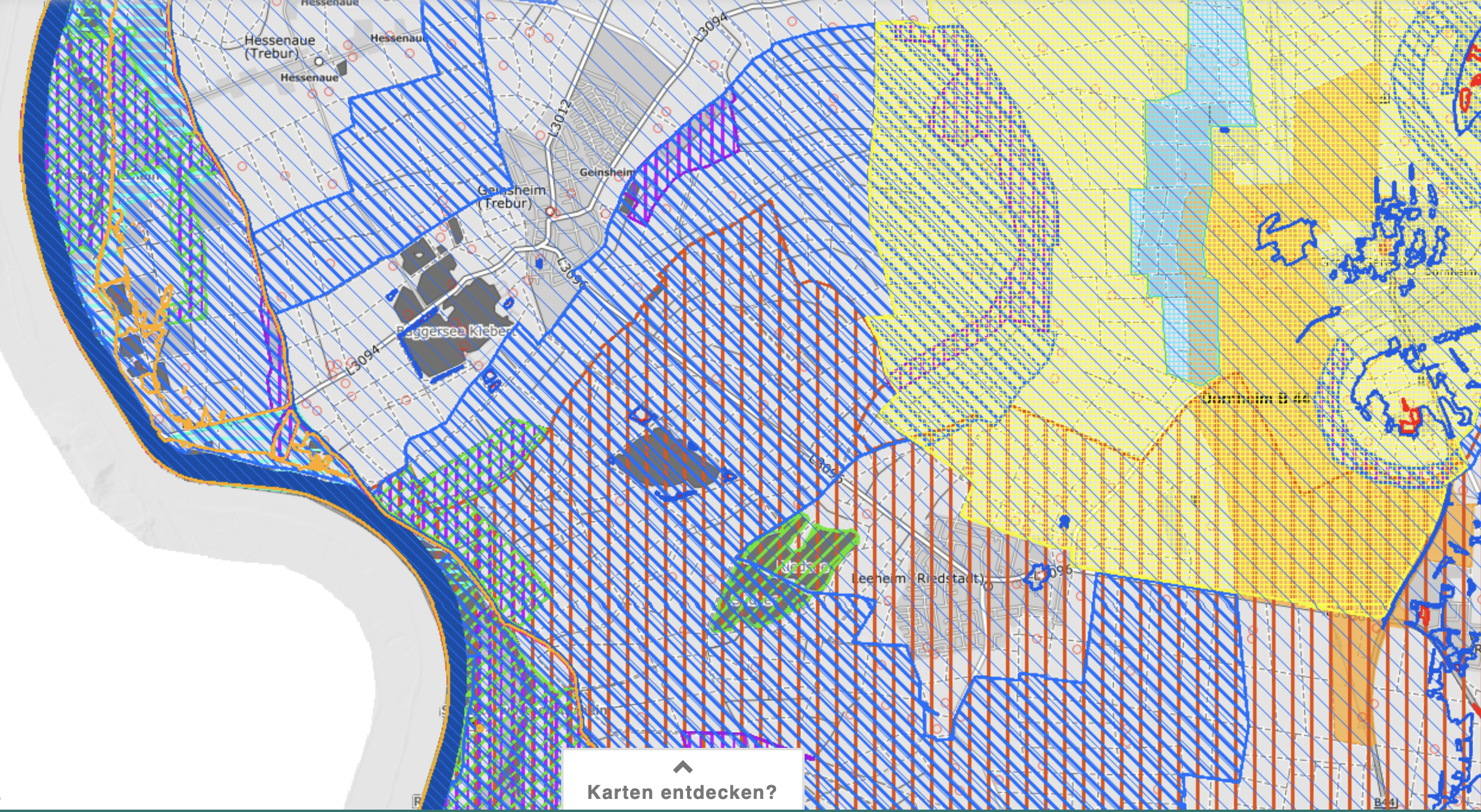
Protected-area mosaic around Trebur
Since 2024, the Corporate Sustainability Reporting Directive (CSRD, the EU's mandatory sustainability reporting framework) requires audit-ready disclosures under the European Sustainability Reporting Standards (ESRS). We cover all five environmental topical standards (E1–E5), auditable and data-ready.
Build humus, cut N₂O emissions from fertilizer, drop fossil-fueled machine hours.
CO₂e reduction · t/ha/year
Zero pesticide and nitrogen runoff into the soil and groundwater of the Ried catchment.
Reduction · kg N/ha/year
Protect groundwater recharge in a region that supplies drinking water to all of Rhein-Main.
m³ recharge protected / year
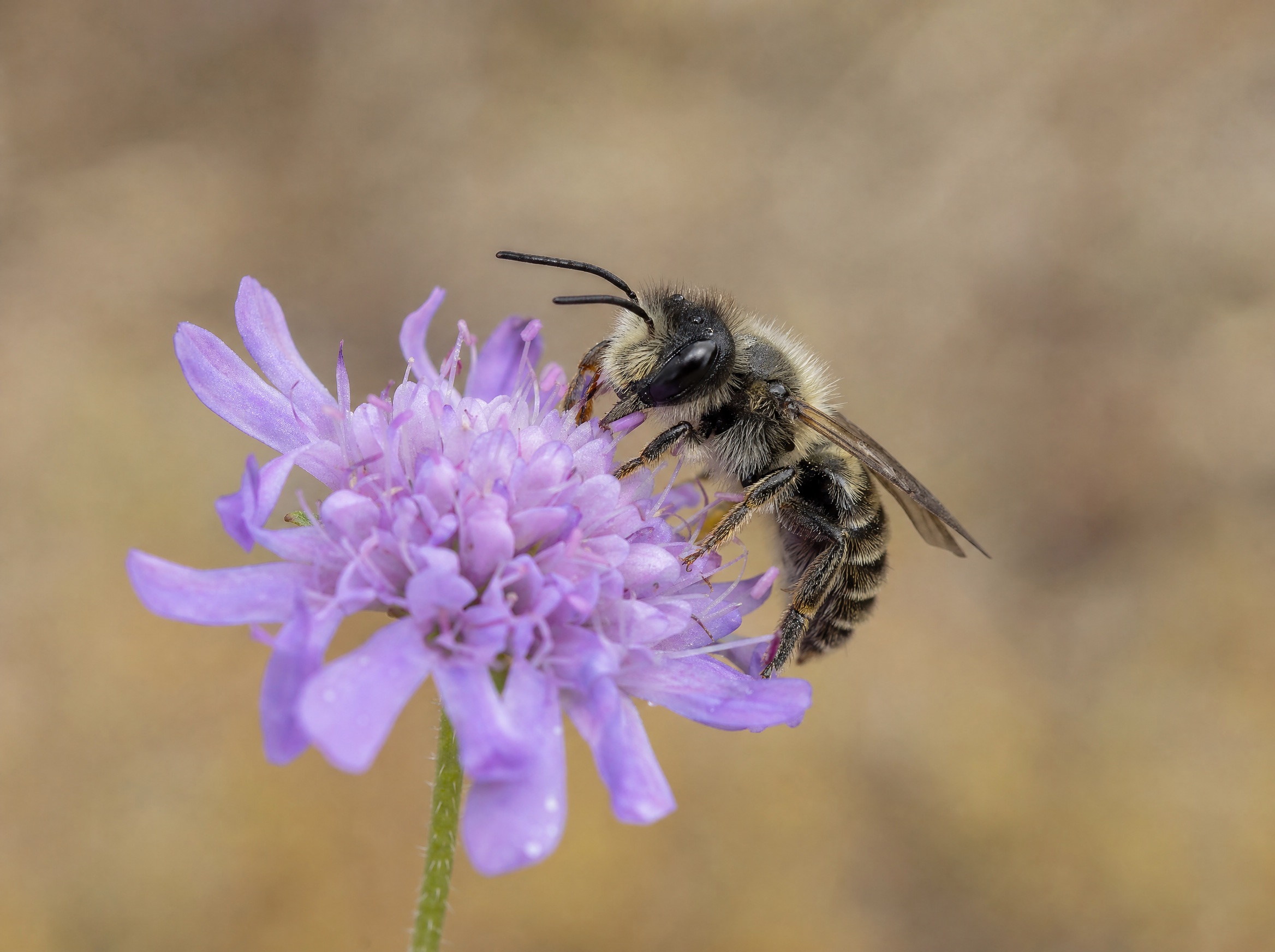
Habitat for wild bees, pollinators, soil fauna, and ground-nesting birds. Habitat indicators.
Habitat index · Δ species count
No mineral fertilizer, closed local seed loops, regenerative soil use.
Input reduction · %/ha
Double materiality, briefly: our work moves the needle on both impact materiality (effect on the environment) and financial materiality (lower risk in supply chains exposed to water and climate stress). We document both sides in the report.
Custom packages with ESRS E1–E5 impact data and real HKV eco-credits from our eco-account. We align volume, reporting depth, and evidence formats with you before signing, so the data your auditor receives actually works for them.
30-min intro call · free
Farmer · founder of MeFloTec GmbH · ried-natur.com
Real action, not just talk.
On this farm, for over seven generations, without a break.
I grew up in Geinsheim, on a farm that's been in our family for over seven generations. What people now call "regenerative agriculture" was never a PR category here. It was a series of concrete decisions someone had to make. Every one of them came from a specific observation. None of them came out of a book.
The milestones below are only the most recent ones, the ones I was around for myself, or that my father still documented. Everything before that lives in the old maps of this region you saw above.
Every step, with the impact we can show today. No claims, just soil science.
Hung up the plow.
My father switches the tillage system: no more plowing. Almost unheard of in the Ried back then. Today it's recognized worldwide as conservation agriculture. 28 years later, the soil is something else entirely.
Compost with a purpose: building the clay-humus complex.
We add matured compost year after year, not just as bulk organic matter but specifically to build the clay-humus complex. Clay minerals and humus bond via divalent cations (Ca²⁺) into stable aggregates. Sounds like a textbook, works in the field:
Peas: nitrogen from the air, not from a bag.
We bring field peas into the rotation. Peas are legumes, they partner with rhizobia (Rhizobium leguminosarum) and pull nitrogen straight out of the air. What conventional farms shell out for as energy-intensive mineral fertilizer, our roots do for free.
Soybeans: ten years of legume experience, the next step.
Ten years after the peas, we take the plunge on soybeans, long before the Hessian climate was officially called "suitable." Our own trials, our own yields, our own data. The basis for my university term paper. Soy fixes another 50% more nitrogen than peas, with a deeper root and higher protein yield.
What this means today
Over two decades of peas and soy have saved us tons of mineral fertilizer nitrogen, and with it, tons of CO₂ from Haber-Bosch fertilizer production that never had to be emitted.
Rough scale: per hectare of legumes per year, about 100 kg of fixed N = about 250 kg CO₂e of avoided fertilizer production. Across 24 years of peas and 14 years of soy, that's four-figure kilograms of CO₂e per hectare farmed.
Shut down the pig operation, room for others.
Rising animal health risks, tougher environmental rules, no real future for it in our region. Instead of cramming in more animals, we go the other way: barn turns into fallow, fallow turns into habitat. A pollution source becomes a refuge.
Industrial hemp: a three-year field trial and the founding of MeFloTec GmbH.
Three years of field trials with industrial hemp, the subject of my bachelor's thesis and the basis for founding MeFloTec GmbH. Industrial hemp is the most productive carbon sink among domestic field crops, and Germany still doesn't have a market that comes close to using its potential.
ried-natur.com — the next step.
Create real habitat for people and wildlife, and keep the value local. No overseas offsets, no middlemen, no "greenwashing plastic." In practice: we pull parcels out of intensive farming, document the impact scientifically, and make it accessible to individuals and companies.
My address: Treburer Straße 22, 65468 Trebur-Geinsheim. The parcels we're talking about, and the Habitats Directive site "Riedwiesen von Wächterstadt" we're tied to, are minutes from my desk. That's on purpose: nobody knows the conditions better than someone who lives here and has been watching them since childhood.
Sponsor a plot? You come visit. Representing a company thinking about CSRD? You see the land first. Think "conservation only counts when someone stakes their name and address on it" is just talk? You're in the wrong place.
Fully on the hook for land, contracts, and reports. No subcontractor, no corporate buffer.
Seventh generation on the same farm. Lives and works exactly where the land is.
Come see for yourself. We'll show you the soil, the parcels, the mowing schedule, no glossy brochures.
Personal, direct, no call center. Phone, email, or just drop by.
We take 30 minutes, talk through your CSRD situation, and figure out whether a package from the Hessisches Ried makes sense. No sales pressure.